Healthcare Licensing & Services Platform
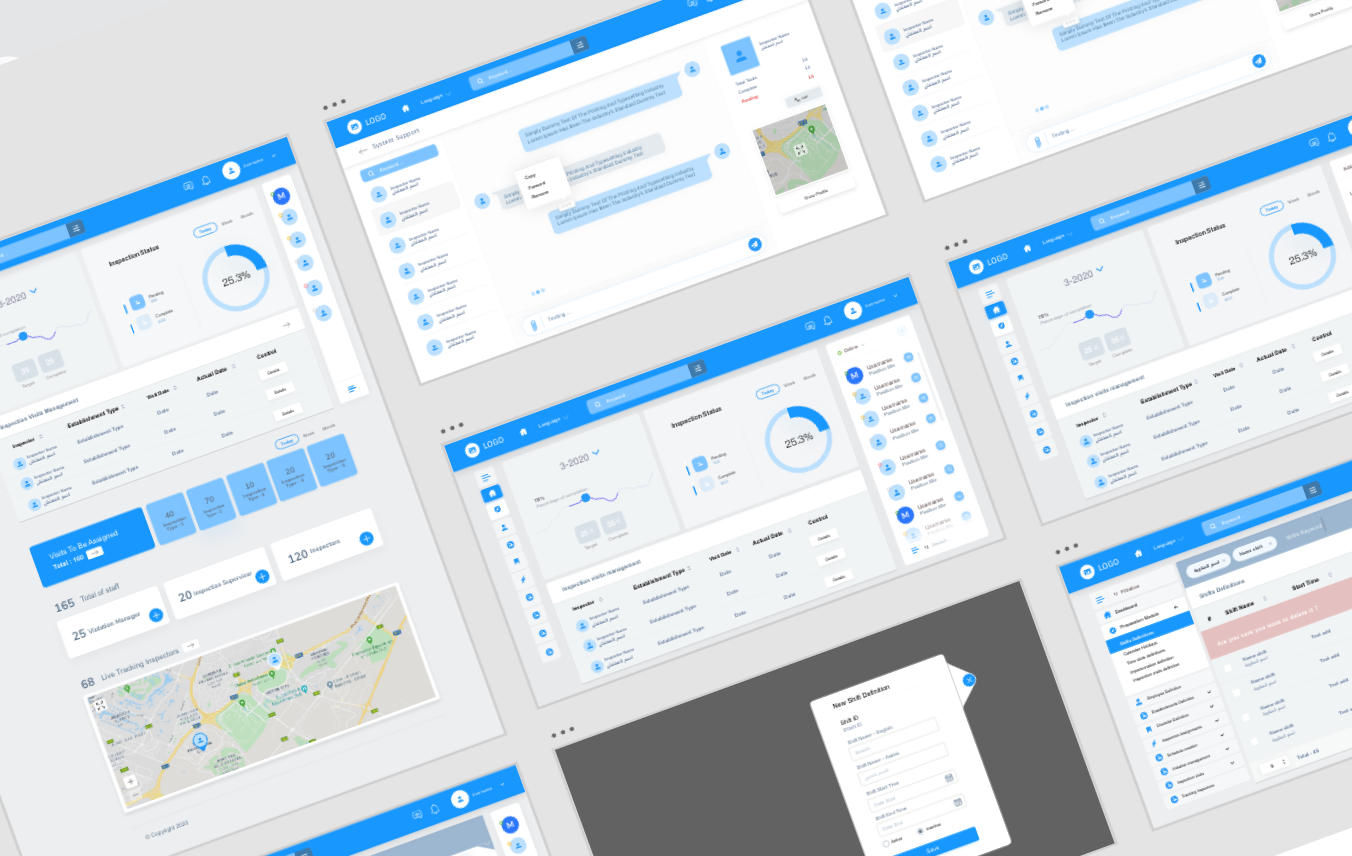
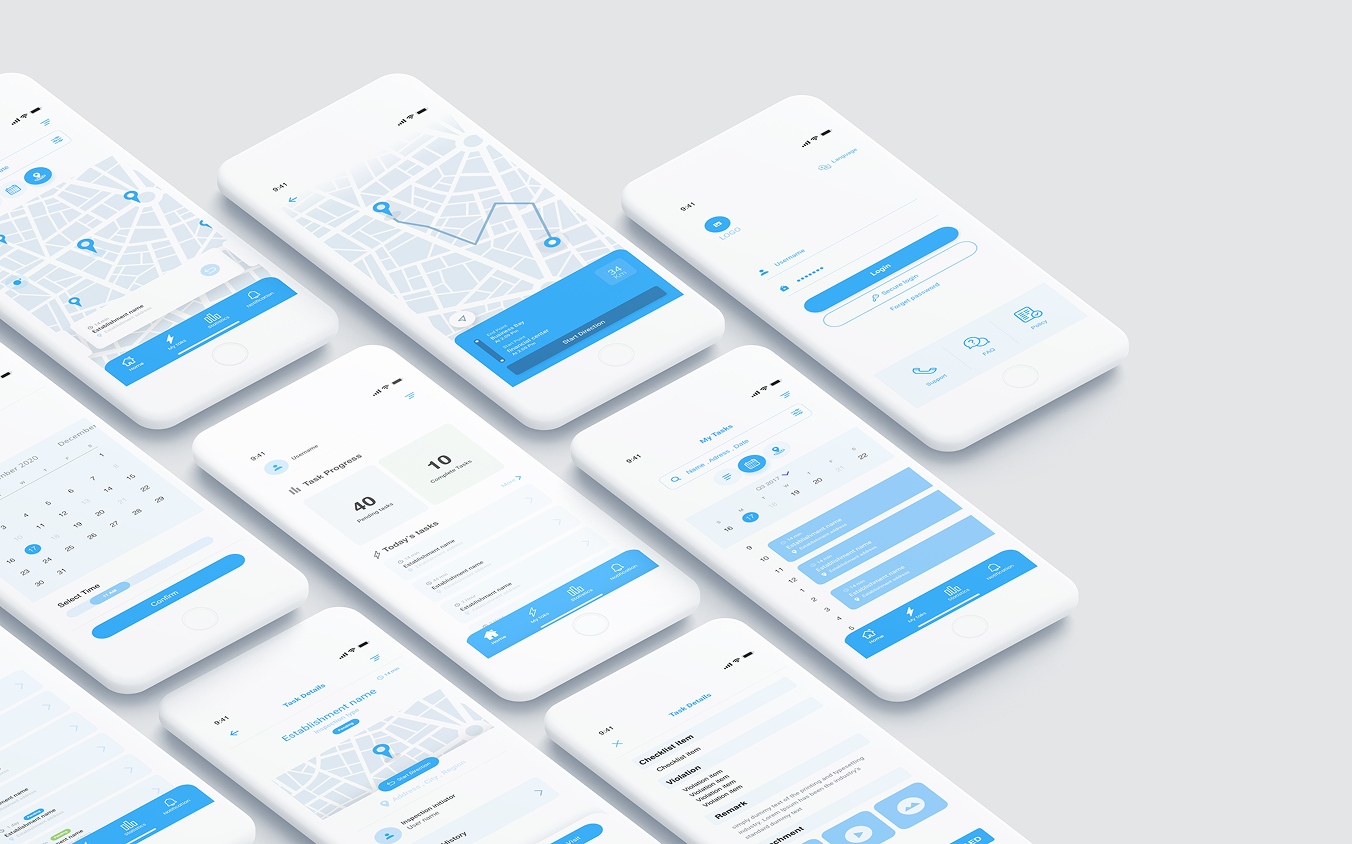
A unified digital platform designed to streamline licensing, applications, and professional services for healthcare workers and medical establishments. The system simplifies complex workflows, improves transparency, and connects users with essential regulatory services in a clear and structured way.
Role
UX Designer Lead
Timeline
2 years (2020-2021)
Platform
Web & Mobile
The Challenge
The Ministry of Health needed a unified digital platform between service providers, and external users was highly fragmented, with each stakeholder relying on different systems, requirements, and communication channels. This created confusion for users, who often faced unclear steps, repeated documentation errors, and limited visibility into their application status. At the same time, MOHAP teams struggled with manual verification processes and the absence of a unified platform to track applications end-to-end, resulting in operational delays, inconsistencies, and an overall inefficient experience for both users and service providers.
Research & Discovery
To deeply understand the challenges within the healthcare licensing ecosystem, I conducted multi-layered research across individual professionals, hospitals, clinics, and administrative teams.
Licensing processes are overly complex and time-consuming
Users struggle with repeated data entry, unclear steps, and long approval cycles. Most professionals are unsure which service applies to their specific case.
Document submission is a major source of frustration
Attachment formats are inconsistent, required documents vary by role, and users often need to re-upload the same files due to system limitations or verification errors.
Status tracking lacks clarity and transparency
Applicants cannot easily understand what stage they are in, what is pending, or what action is required next — leading to high confusion and repeated support calls.
Establishments need better control over staff applications
Hospitals often manage multiple doctors and branches, but the system lacks clear account switching, centralized dashboards, or visibility of staff progress.
Renewal and cancellation flows are not intuitive
Users cannot differentiate between renewal, modification, and cancellation requests. Missing indicators create uncertainty and application errors.
Payment steps feel scattered and unpredictable
Fees appear at unexpected stages, and users lack a clear understanding of the full cost structure before they begin an application.
Research Artifacts
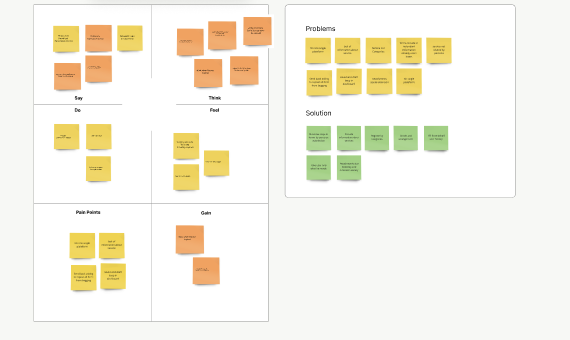
Affinity Mapping
Research Synthesis & Categorization
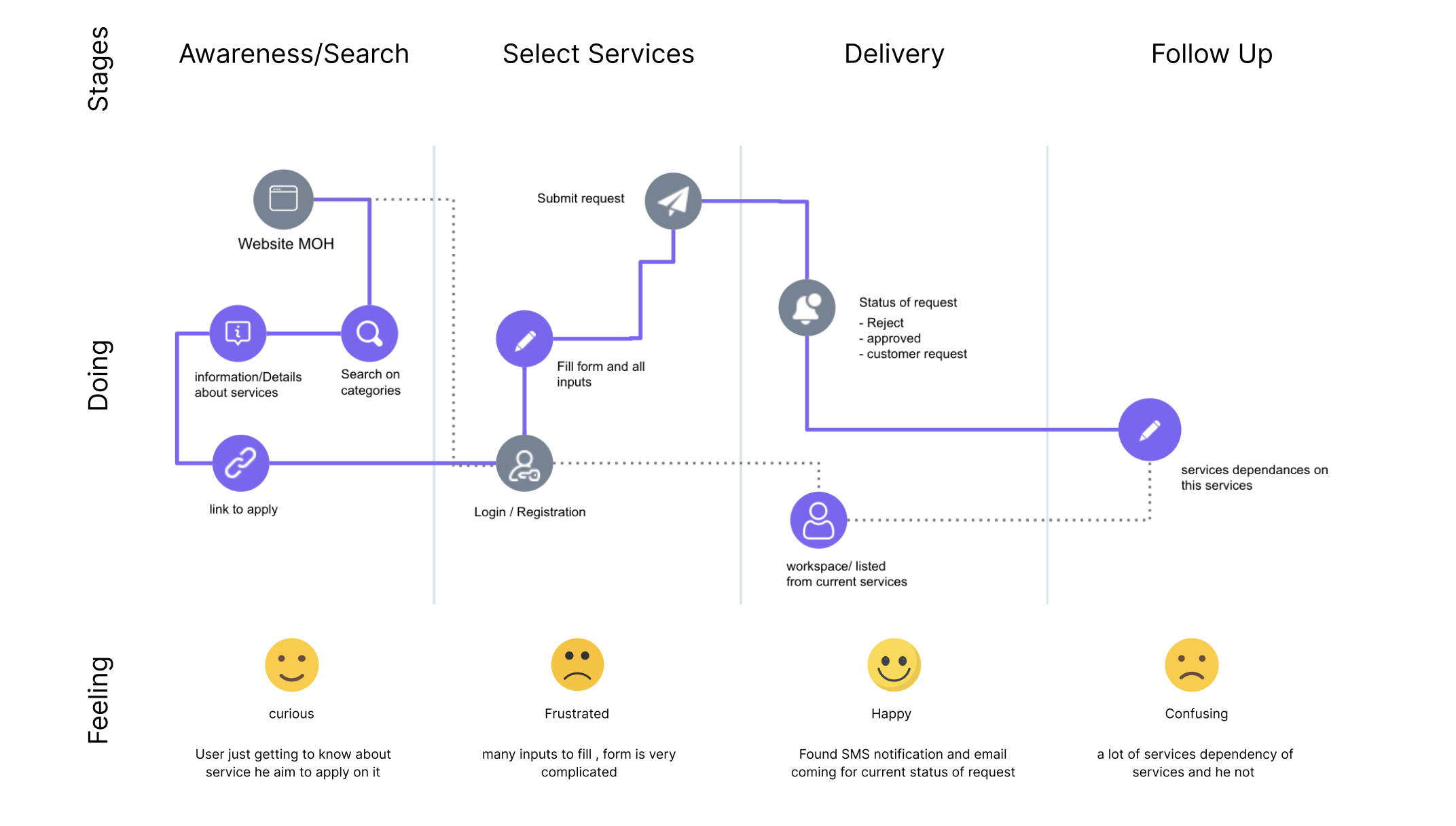
User Journey Map
End-to-end Flow Analysis
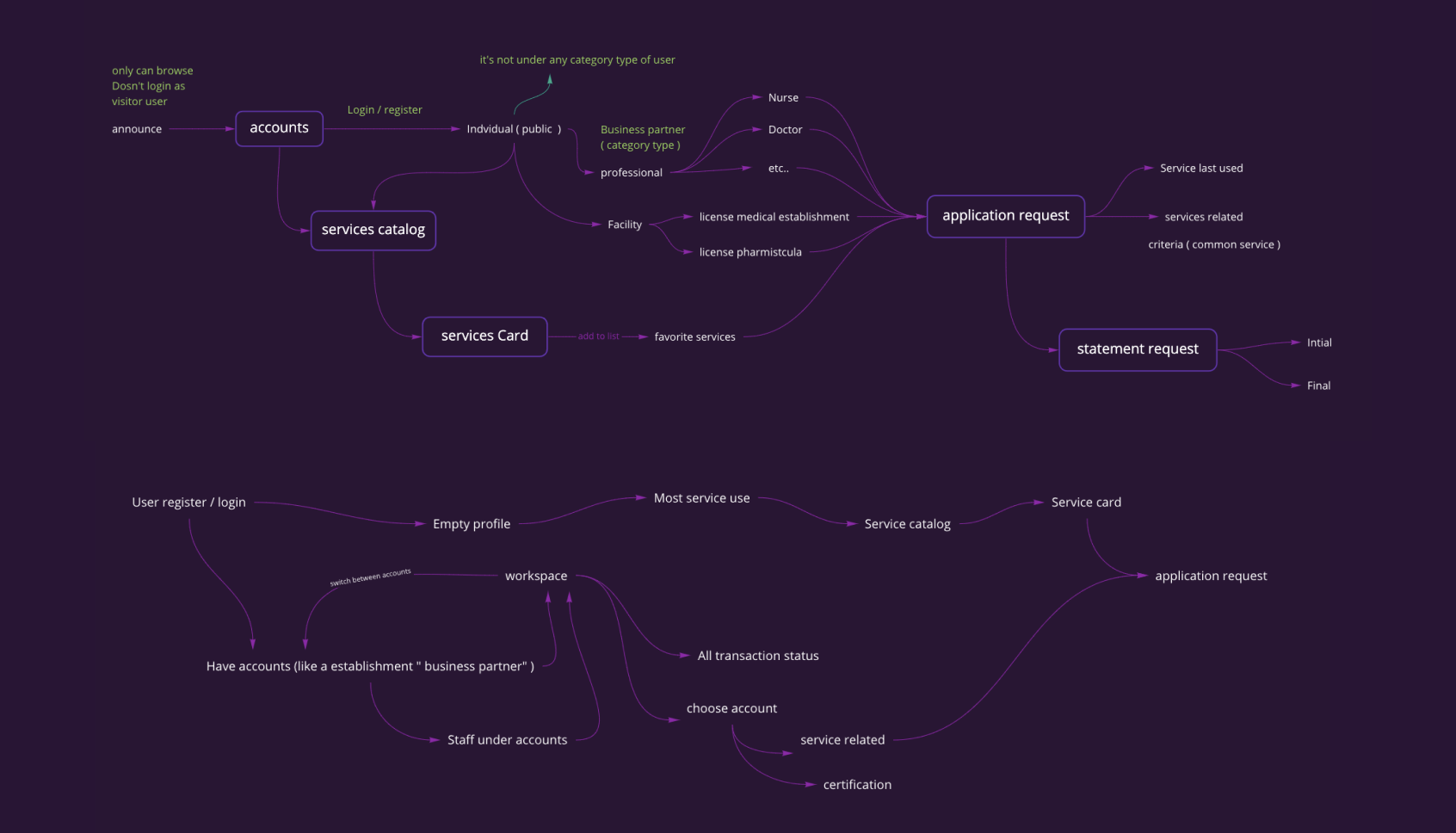
User Flow
System Architecture & Touchpoints
User Personas
Irfan Muhammed
Age: 36
Nationality: Pakistan
Works at: Zulekha Hospital – Sharjah
Pain Points & Concerns
- •Doctor is coming and waiting two months for procedure license
- •Size of document attachments is low / PDF extension issues
- •Cannot delete draft applications from profile
- •Need separate accounts for different hospital branches
- •Renewal/cancellation has no clear status indicator
- •Dataflow upload takes multiple attempts to verify
Fatama
Age: 32
Nationality: Emirati
Works at: Al Zahra Hospital
Pain Points & Concerns
- •Too many steps in registering a new license
- •Redundant and repeated attachment requirements
- •Cancel/refile application changes register number and is not consistent
- •Form filling takes too much time
- •Multiple payment steps
- •Application rejection with no clear status updates
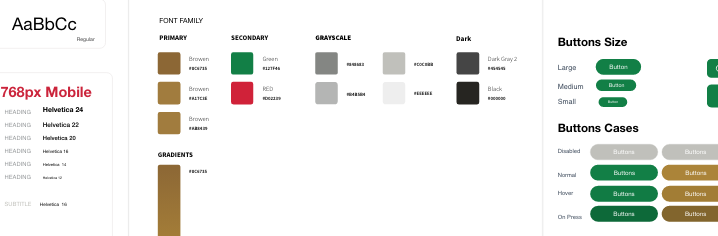
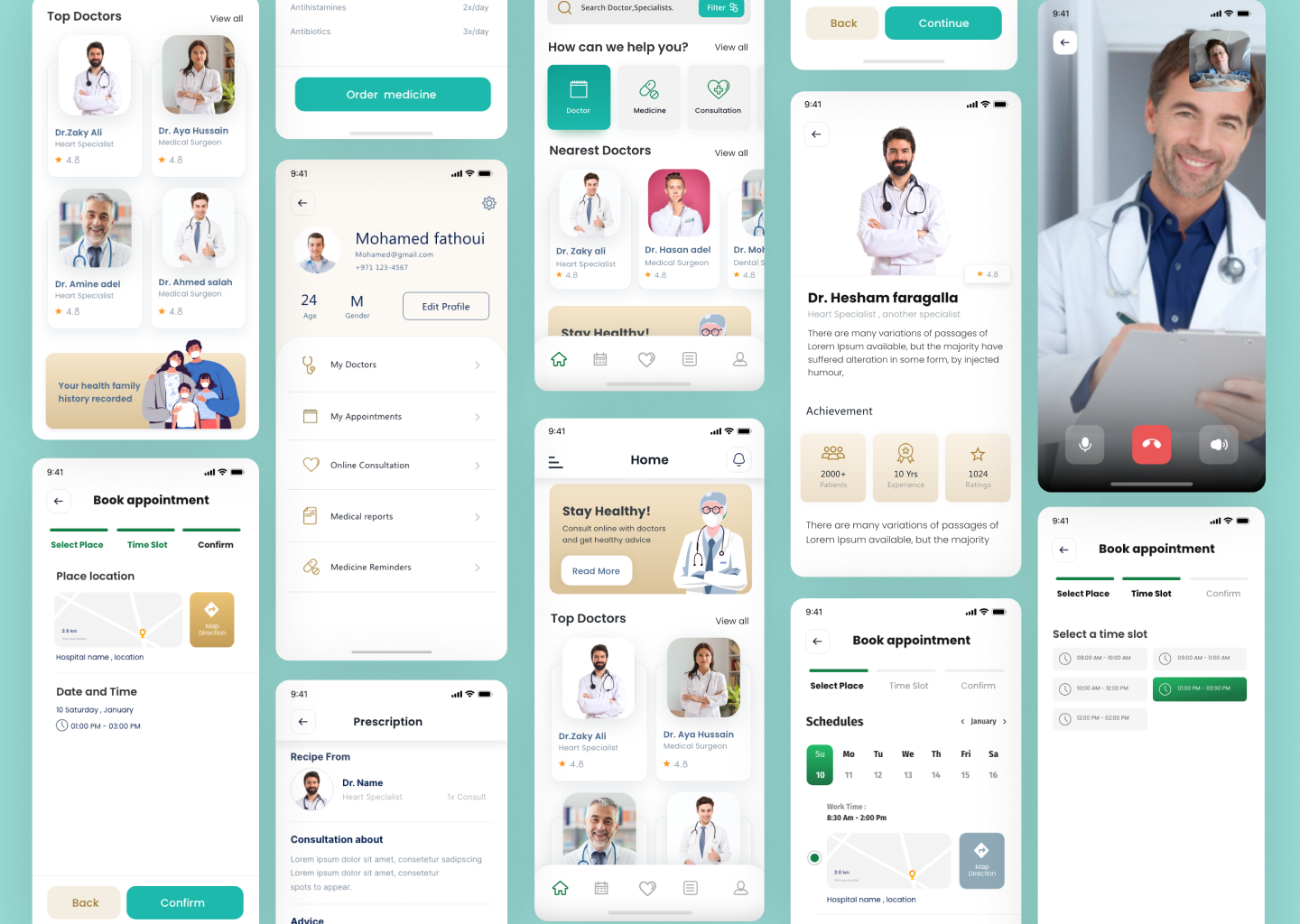
Design System
Results & Impact
Meaningful Improvements for Users
The redesigned system provided a smoother and more reliable experience for healthcare professionals and establishments. Users were able to complete tasks with greater confidence, encounter fewer errors, and progress through licensing workflows with less confusion and frustration.
Operational Enhancements
Hospitals and clinics experienced clearer processes, improved visibility over staff applications, and fewer repeated steps. The system minimized unnecessary back-and-forth, helping reduce administrative pressure on both front-line staff and backend officers.
Experience & Satisfaction Gains
User feedback highlighted better clarity in service navigation, more transparent application statuses, and a more intuitive end-to-end flow. The simplified interface and improved information structure contributed to a more positive and trustworthy experience.
Ecosystem Growth
Multiple healthcare organizations successfully adopted the system as part of their standard licensing and compliance operations. The platform became a reliable tool for institutions managing large numbers of healthcare professionals.
Key Achievements
Successfully collaborated with numerous hospitals and clinics to streamline licensing workflows
Ensured stable performance with consistent system availability and smooth user access
Reduced administrative load by minimizing repetitive actions and unclear processes
Recognized for delivering a high-quality digital healthcare experience
Key Learnings
This project reinforced how essential clarity and transparency are in healthcare licensing. Users need straightforward steps, consistent document requirements, and clear status updates. I also learned the importance of designing for both individuals and large healthcare institutions, ensuring the system supports complex workflows without adding friction.
Working with healthcare professionals taught me the importance of balancing user experience with regulatory compliance and data security. The iterative testing with real patients and doctors was invaluable in creating a solution that truly serves its purpose.